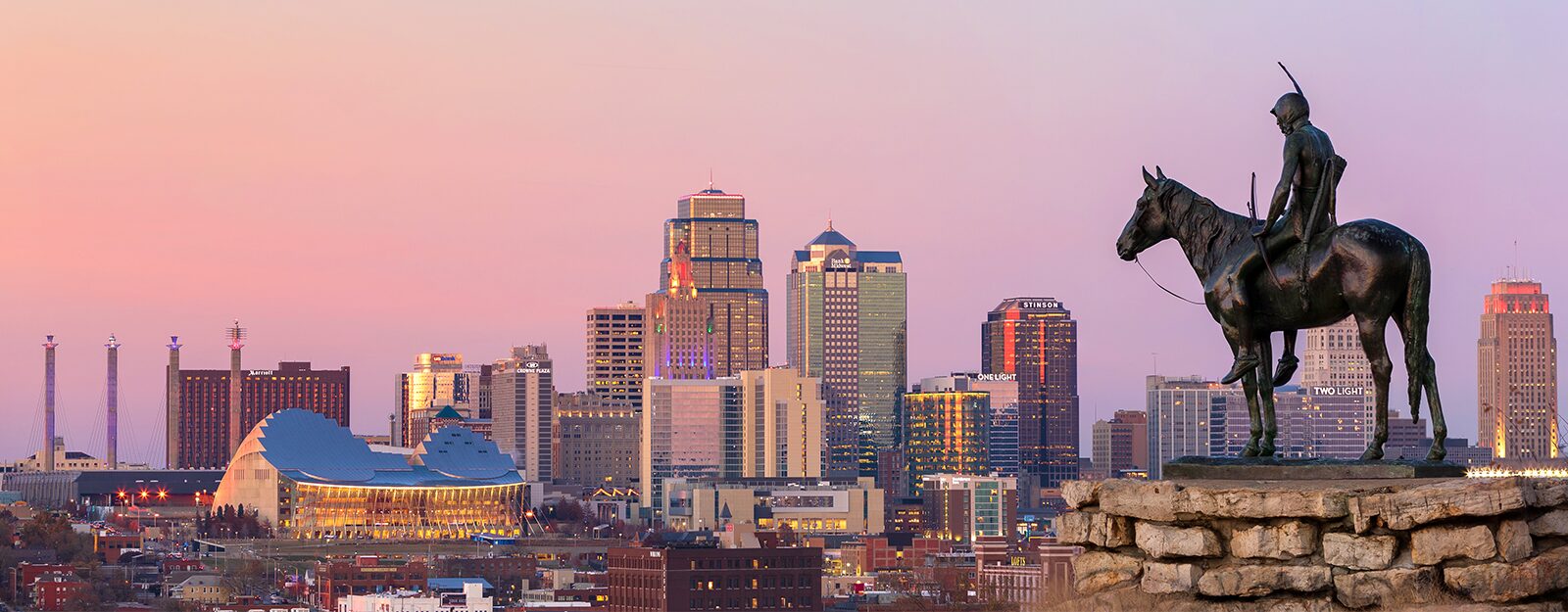
The Origins: Westport and the Port
The history of the area effectively begins with Westport (1833). Founded by John McCoy four miles south of the Missouri River, it became the essential outfitting post for the Santa Fe, Oregon, and California trails. However, the logistics of unloading goods at the existing landings and hauling them miles inland were slow and inefficient.
To speed up deliveries to his store, McCoy scouted a rocky ledge on the riverbank directly north of Westport. This natural landing shortened the trip significantly and was incorporated as the Town of Kansas (1850). Originally intended just to serve Westport, the port's strategic advantage caused it to boom, eventually swallowing Westport and evolving into the modern Kansas City.
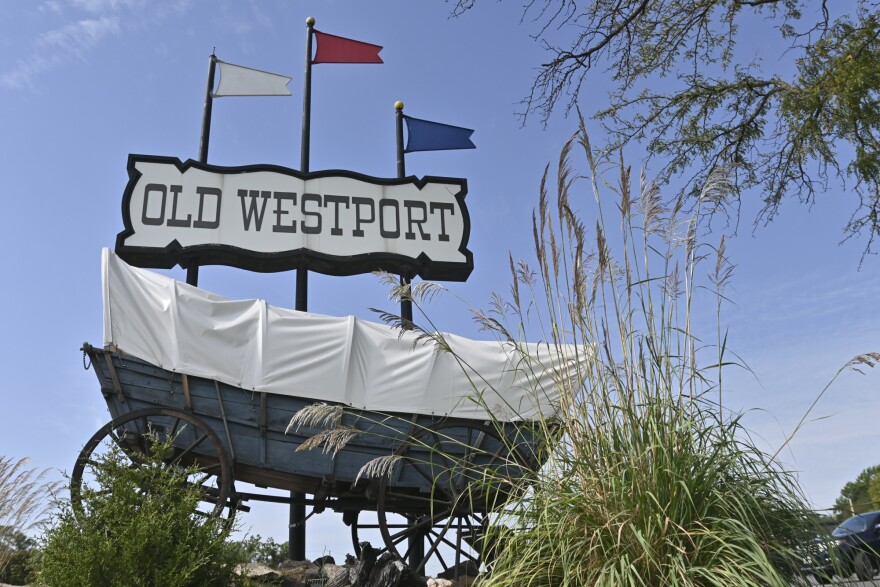
The Civil War: The Battle of Westport
During the Civil War (1861–1865), the region was a volatile borderland. The conflict culminated in the Battle of Westport (1864). Often called the “Gettysburg of the West,” this massive cavalry engagement ended with a Union victory, halting Confederate operations in Missouri and securing Kansas City as a Union stronghold.
The Railroads and The Stockyards
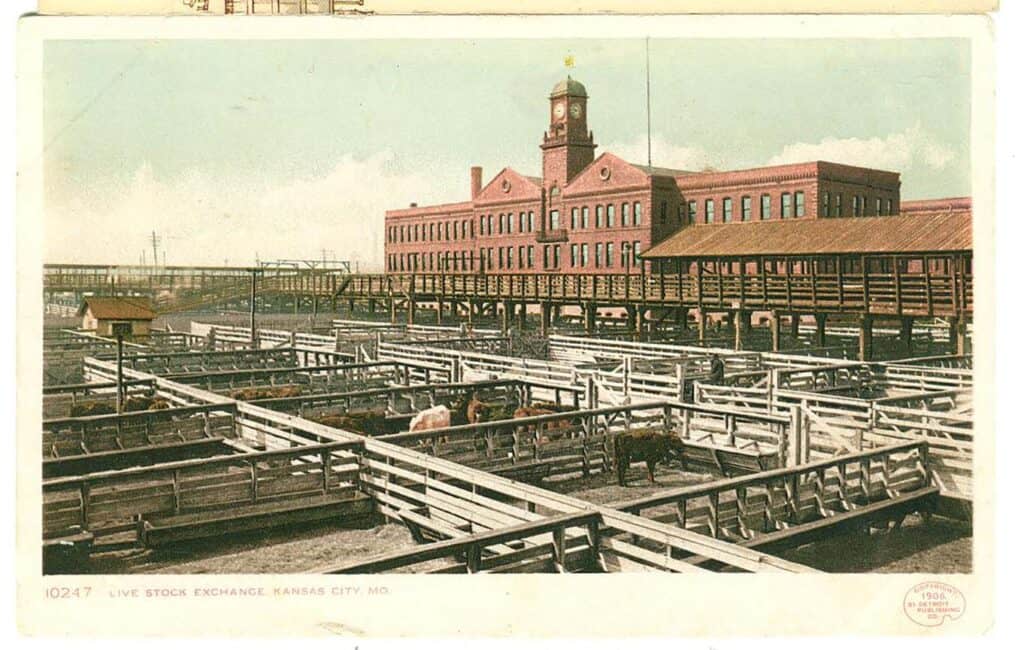
Following the war, Kansas City secured the Hannibal Bridge (1869), the first rail crossing over the Missouri River. This victory over rival cities like Leavenworth turned KC into a boomtown. The railroads fueled the rise of the Kansas City Stockyards in the West Bottoms, which became the second-largest livestock market in the world. This era cemented the city's gritty, industrial identity.
The City Beautiful: Boulevards, Fountains, and Limestone
In the late 19th and early 20th centuries, the city sought to refine its image beyond cattle and mud through the “City Beautiful” movement.
Boulevards & Fountains
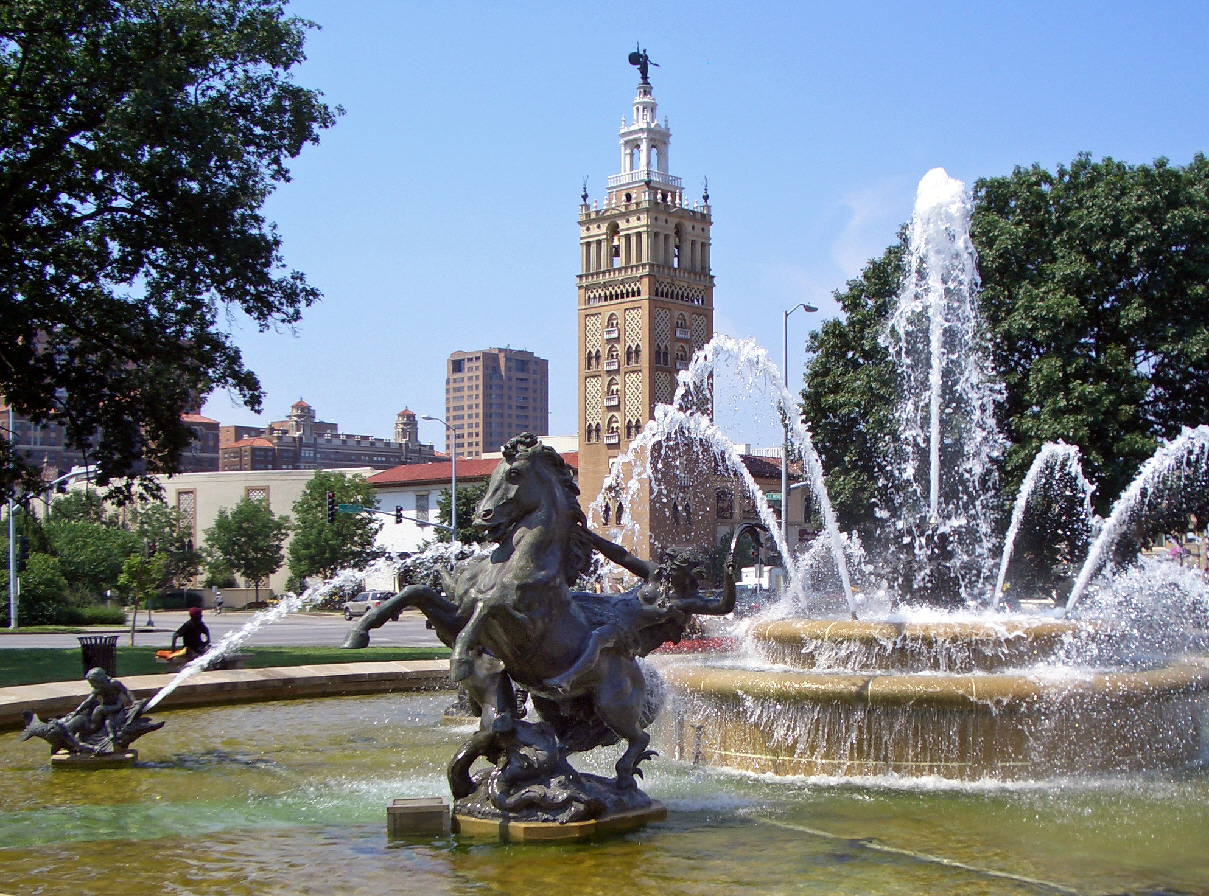
Under the guidance of landscape architect George Kessler, Kansas City constructed an extensive system of parks and tree-lined boulevards that wound through the city's natural topography. To beautify these spaces, countless fountains were installed, eventually earning KC the title “The City of Fountains”—boasting more working fountains than any city in the world other than Rome.
Limestone Architecture
As these boulevards were carved through the hilly terrain, the city utilized the abundant local limestone. This distinct, rough-hewn stone remains a defining feature of the city's aesthetic, visible today in the retaining walls of the park system, historic homes in Hyde Park, and the foundations of many civic structures.
Country Club Plaza (1922)
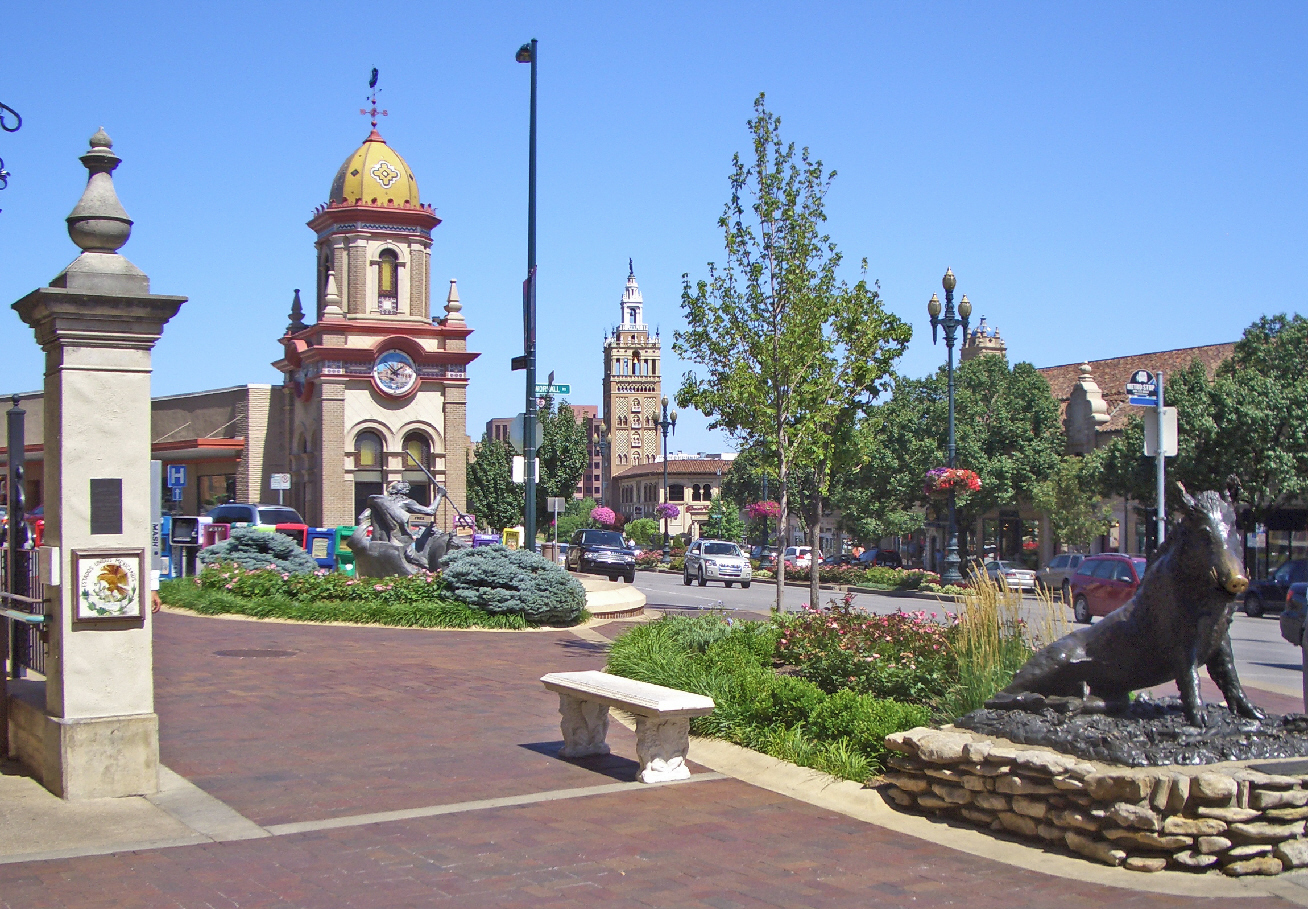
Developer J.C. Nichols expanded on this vision by designing the nation's first suburban shopping district tailored to the automobile. Modeled after Seville, Spain, its towers, mosaics, and fountains pulled the city's population south.
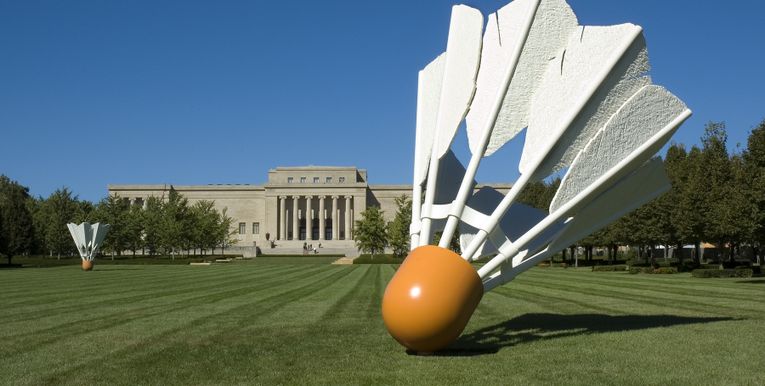
The Nelson-Atkins Museum of Art (1933)
Opening during the Great Depression, this neoclassical institution immediately established the city as a serious cultural contender.
The Pendergast Era: The “Paris of the Plains”
The 1920s and 30s were defined by the political machine of “Boss” Tom Pendergast.
Jazz & Prohibition
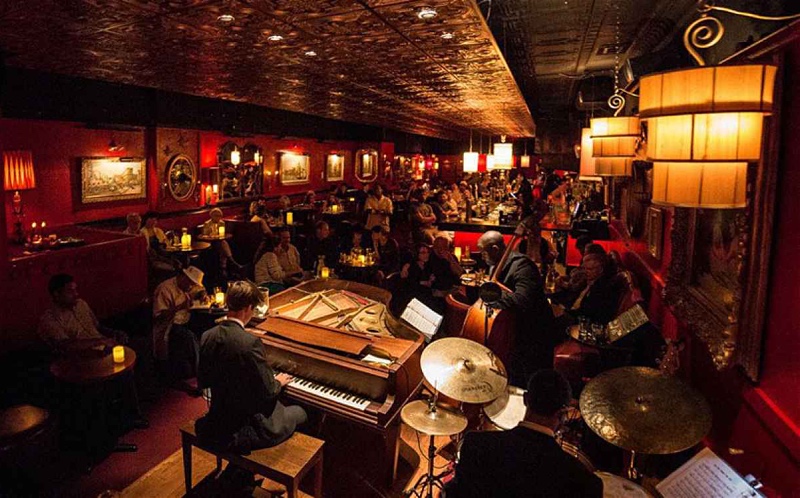
Pendergast ignored Prohibition laws, allowing nightclubs, gambling, and jazz to flourish while the rest of the country was dry. This wide-open atmosphere earned KC the nickname “The Paris of the Plains.”
Art Deco & Union Station
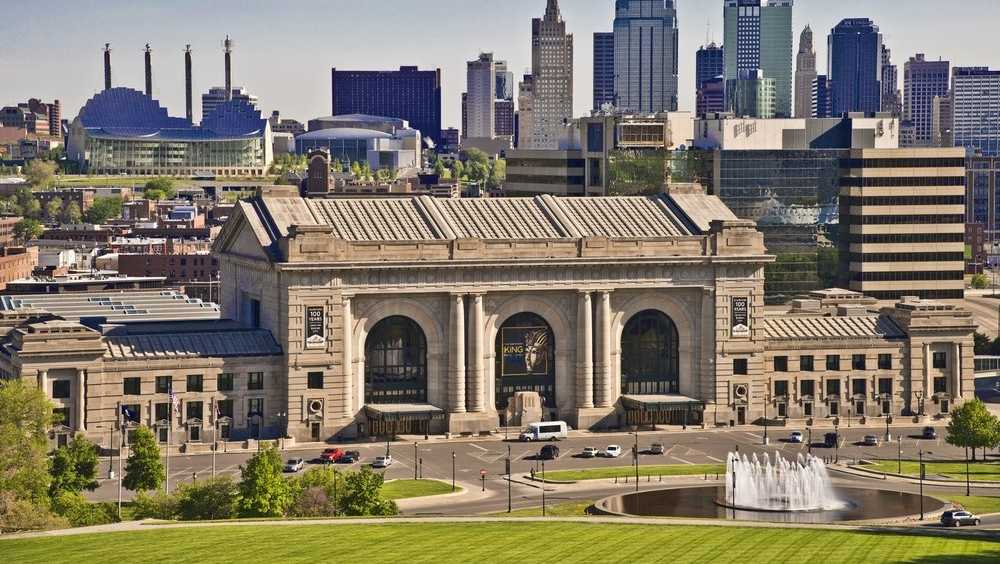
To keep constituents employed during the Depression, Pendergast funded a massive building boom, resulting in an iconic Art Deco skyline (Power & Light Building, City Hall). Union Station (1914) served as the grand gateway to the city. At its peak, it handled hundreds of trains and tens of thousands of passengers daily, cementing Kansas City's status as a major national metropolis and transportation hub.
The Modern Era: Revitalization (1990s–Present)
After decades of suburban sprawl and downtown decay following World War II, the city launched an aggressive revitalization campaign that continues today.
Downtown Rebirth
The restoration of Union Station (1999) and the construction of the Power & Light District (2007) and Kauffman Center (2011) brought life back to the urban core.
Sports City
A massive resurgence in civic pride began in 2015 when the Kansas City Royals won the World Series, uniting the city in blue. This momentum exploded into a full-blown dynasty with the Kansas City Chiefs, who have dominated the NFL and secured multiple Super Bowl victories in recent years under Patrick Mahomes and Andy Reid. Adding to this world-class sports culture, the KC Current (NWSL) opened CPKC Stadium on the riverfront in 2024—the first stadium in the world built specifically for a women's professional sports team.
The KC Streetcar
The free streetcar line, launched in 2016, originally connected the River Market to Union Station. In recent years, the system has expanded significantly: a southern extension now runs down Main Street to UMKC and the Plaza, while a northern extension crosses the riverfront, directly connecting downtown to the new CPKC Stadium.